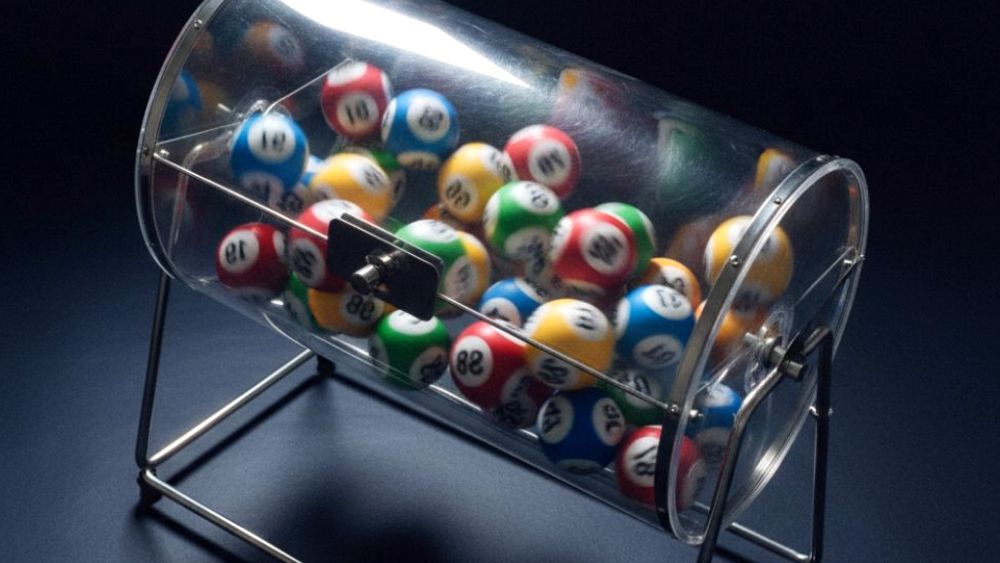
The Straight Answer: What Is PCSO, Really?
PCSO stands for the Philippine Charity Sweepstakes Office, a government-owned and controlled corporation created by Commonwealth Act No. 116 back in 1934 and later reorganised under Republic Act No. 1169 (the Charity Sweepstakes and Lotto law). It is the sole body authorised to run sweepstakes, lotto, and small-town lottery operations in the country, and it channels a mandated share of gross receipts into health, medical assistance, and charity programs.
That is the practical answer to what is PCSO: a state corporation that sells numbered chances at a draw, pays out prizes to winners, and turns the remainder into public health funding. It is not a private casino, and it is not a tipster service. Every 6/42, 6/45, 6/49, 6/55, 6/58, Ultra Lotto, Super Lotto, Grand Lotto, Mega Lotto, Lotto 6/42, Digit Games, EZ2, Swertres, and 4D result you see on this site originates from draws conducted under its authority, not from a prediction desk.
Myth 1: PCSO Is a Private Betting Operator
The myth: PCSO is a bookmaker that sets odds to protect its margin, so players are always the losers.
The fact: PCSO is a government instrumentality. Its board is appointed, its operations are audited by the Commission on Audit, and its revenue split is fixed by law rather than set by a profit-seeking owner. The prize pool comes from ticket sales in each game's pari-mutuel structure, and the charity share funds medical assistance and other programs. Because the corporation is state-owned, it does not compete with private bookmakers for your bet; it holds a statutory monopoly instead.
What this changes for you: the 6/49 jackpot is not a promotional number invented by a marketing team. It is the accumulated prize pool after the mandated allocations, published after each draw. When you see a Grand Lotto 6/55 jackpot of, say, ₱29.7 million, that figure traces back to sales and rollovers, not to an advertised target.
Myth 2: The Draw Is Rigged Because It's Government-Run
The myth: A state-run draw can be manipulated, so the numbers are chosen to avoid popular combinations.
The fact: Draws are conducted publicly, with observers, and results are published as official draw summaries carrying the game name, draw date, and winning combination — the format you see on result pages. If a draw were being steered, the simplest check would expose it: the winning combinations are published and archived, so any pattern of avoiding popular picks would be visible across thousands of draws. It isn't.
Here is the worked example that settles it for most players. In 6/42, there are 5,245,786 possible combinations. If the draw were rigged to favour the house, the observed frequency of low-number combinations (1 to 10) would drift away from the mathematical expectation over a long run. It doesn't — each combination carries the same 1-in-5,245,786 chance every single draw, and that probability is fixed by the game matrix, not by who runs it.
Myth 3: A System Can Beat a Random Draw
The myth: Hot and cold number charts, sum-range filters, or a paid "sure pattern" can lift your odds.
The fact: Lotto draws are independent random events. A number that appeared in the last three draws has exactly the same chance of appearing in the next one as a number that has not appeared in fifty. No filter, wheel, or pattern changes the denominator of the probability. What a system can do is change how much you spend and how many combinations you cover — which is a budget decision, not an odds improvement.
A concrete illustration: in 6/58 Ultra Lotto, the odds of hitting the jackpot on one ticket are 1 in 40,475,358. Buying 10 tickets with different combinations improves your coverage to 10 in 40,475,358 — still roughly 1 in 4,047,536. Buying the same 10 lines generated by a "pattern" gives you the same coverage as 10 random distinct lines. The pattern adds nothing to the math; it only adds a feeling of control.
Useful framing: pick your numbers for enjoyment and budget for the ticket like an entertainment expense. Do not treat any chart as an edge.
Myth 4: PCSO Results Come From Social Media Posts
The myth: A viral screenshot or a forwarded combination is the official result.
The fact: Official results are issued after each draw in a standard format — game, draw date, winning combination, and prize breakdown. Screenshots get edited, and forwarded combinations are frequently confused with actual draws. The reliable procedure is simple:
- Note the exact game and draw date, e.g. Lotto 6/42, 16 November 2026 draw.
- Compare the combination against the published draw summary for that date — not a reposted image.
- Check the prize tier breakdown, because a 5-of-6 match pays a fixed consolation amount per winner, not the jackpot.
- Keep your physical ticket; it is the bearer instrument. The claim process depends on the prize tier and the ticket's condition.
Where a live result is not yet available for a given draw, say so plainly rather than publishing a guessed combination. A number printed without a draw date and source is not a result.
Myth 5: Winning Tickets Are Paid Instantly and Anonymously
The myth: You walk in with a winning ticket and leave with cash the same hour, no paperwork.
The fact: Prize claims follow tiered rules. Small prizes are typically claimed at authorised lotto outlets, while larger prizes require processing at a PCSO office with identification and the ticket itself. Taxes apply to winnings above the threshold set under the Tax Reform for Acceleration and Inclusion law — the 20% final tax on prizes exceeding ₱10,000 is the figure players most often ask about. Expect a claim to take business days for large amounts, and expect the ticket to be validated, not just glanced at.
Two practical points: sign the back of a winning ticket immediately, and photograph it alongside the draw result. An unsigned ticket is finder's property in practice, and a torn or washed ticket can invalidate a claim.
Myth 6: PCSO Is the Same Thing as an Online Casino
The myth: Any site that shows lotto numbers or takes bets is PCSO, or is officially endorsed by it.
The fact: A guide site like LottoBayan is an independent publication that reports results and explains games. We are not PCSO, we do not sell tickets, and we do not operate draws. When we link to a partner or advertiser, that link is a commercial placement — it is not an official login, download, or account page for PCSO or for any other brand. Official PCSO channels are separate and identifiable.
This distinction matters because the local lotto market attracts lookalike pages. The test is simple: a legitimate operator never asks for your existing ticket number as a "verification" step, and it does not require a deposit to release a prize.
What This Means for Your Weekly Play
Treat the corporation as the referee and the draw as the event. Your job is to pick a game, set a fixed budget, and keep records in one place. A workable weekly routine for a Philippine player in 2026:
- Budgets first. Decide a fixed weekly amount, e.g. ₱100, and split it across one or two games rather than chasing a jackpot with a variable spend.
- Coverage over patterns. If you buy five lines, make them five distinct combinations. Duplicates reduce effective coverage.
- Record entries. Log game, draw date, numbers, and cost. Review monthly.
- Verify results from one source. Check the published draw summary for that exact date before believing a forwarded screenshot.
- Prepare for a win in advance. Know where small prizes are claimed, keep ID ready for larger claims, and store tickets flat and dry.
Myth-busting does not make a random game less random. It does make you a harder target for tipsters and lookalike pages, and it keeps your spending where you intended it.
Frequently Asked Questions
Is PCSO a government agency or a private company?
It is a government-owned and controlled corporation, created in 1934 and mandated by law to run sweepstakes and lotto while funding health and charity programs. Its accounts are subject to state audit, and its prize and charity allocations are set by law.
Can a number pattern improve my chances in 6/55?
No. Each combination in Grand Lotto 6/55 has a fixed 1-in-62,891,499 chance every draw, and draws are independent. Patterns and filters change how many distinct combinations you cover, not the probability of any one of them.
Where should I check an official lotto result?
Use a published draw summary that states the game, the exact draw date, and the winning combination, then compare it to your ticket. Avoid forwarded screenshots, which can be edited or mismatched to the wrong date.
How are large lotto prizes taxed and claimed?
Prizes above ₱10,000 carry a 20% final tax. Smaller prizes are claimed at authorised outlets, while large jackpots require processing at a PCSO office with identification and the signed ticket, usually over several business days.